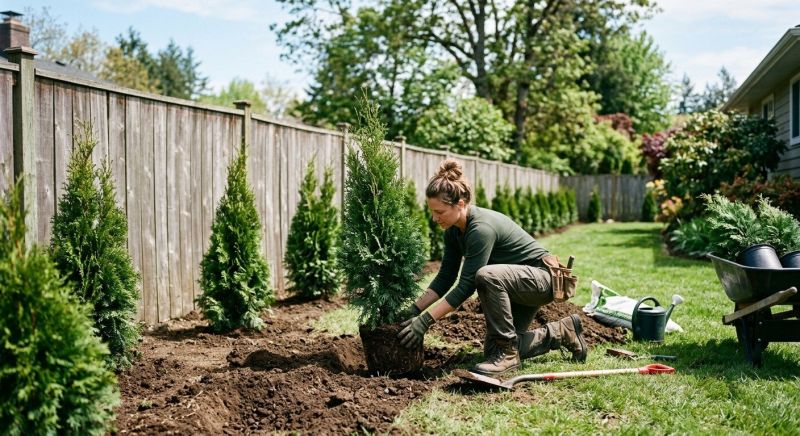
Privacy Trees Planting in Honolulu, HI
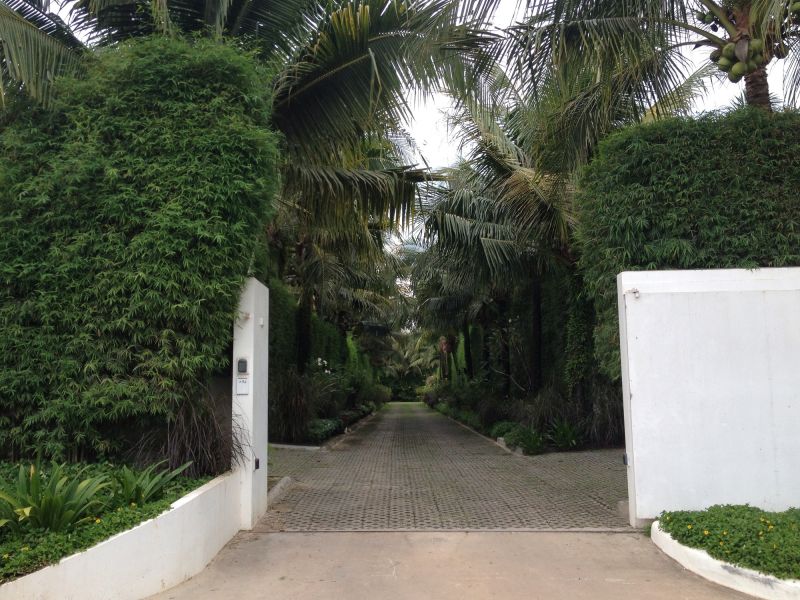
Privacy trees planting services involve selecting and installing trees that serve as natural screens to enhance privacy on residential properties. These projects typically include planting fast-growing or dense foliage trees along property lines, fences, or specific areas where homeowners desire increased seclusion. Property owners often want to understand which tree varieties are best suited for their yard’s conditions, how tall and wide the trees will grow, and how they can be effectively positioned to provide optimal coverage without interfering with existing structures or utilities.
Before requesting privacy tree planting, property owners usually consider factors such as the available space, soil conditions, and local climate to ensure successful growth. It’s also helpful to think about the desired level of privacy, maintenance requirements, and how the mature trees will impact the overall landscape. Clear communication about these preferences and site conditions can help in selecting the right species and planning an effective planting layout.
Many property owners in Honolulu, HI look into Privacy Trees Planting for repairs, replacements, upgrades, and appearance-related improvements.
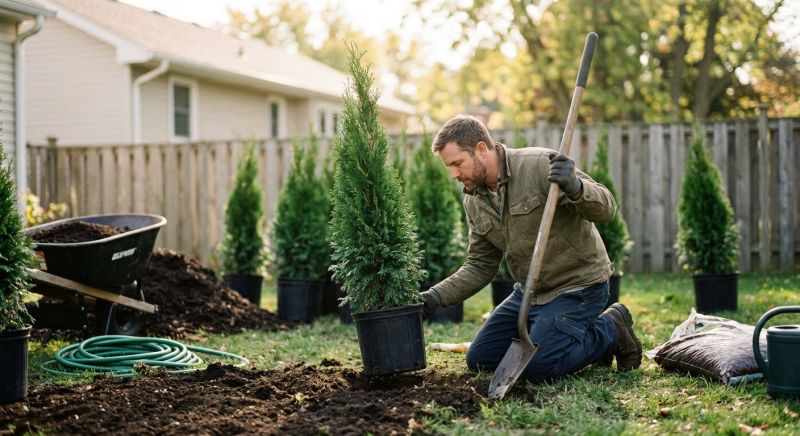
Privacy Enhancement
Privacy trees create natural barriers that add seclusion to residential and commercial properties.
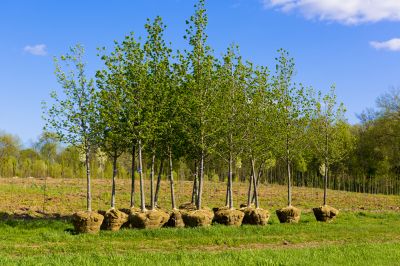
Property Value Benefits
Strategic planting of privacy trees can increase the appeal and value of homes in honolulu, hi.
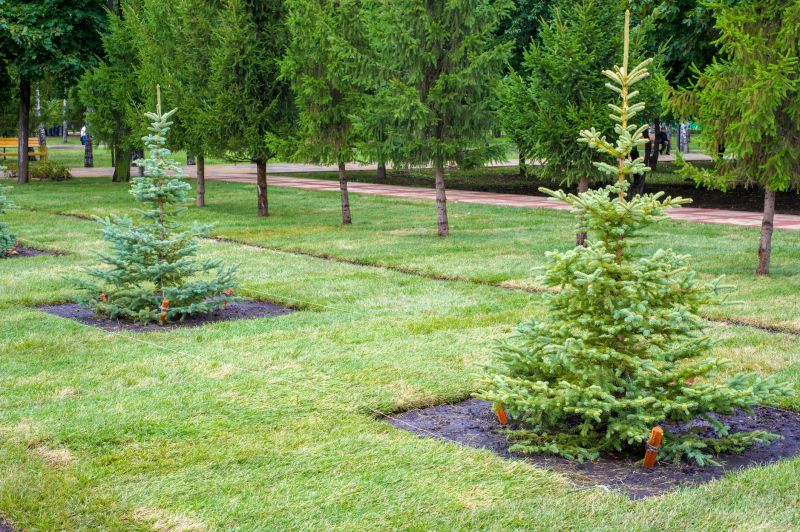
Maintenance And Care
Proper planting and ongoing upkeep ensure privacy trees thrive and provide effective screening over time.
Privacy Trees Planting in Honolulu, HI

Privacy trees planting services involve selecting and installing trees that serve as natural screens to enhance privacy on residential properties. These projects typically include planting fast-growing or dense foliage trees along property lines, fences, or specific areas where homeowners desire increased seclusion. Property owners often want to understand which tree varieties are best suited for their yard’s conditions, how tall and wide the trees will grow, and how they can be effectively positioned to provide optimal coverage without interfering with existing structures or utilities.
Before requesting privacy tree planting, property owners usually consider factors such as the available space, soil conditions, and local climate to ensure successful growth. It’s also helpful to think about the desired level of privacy, maintenance requirements, and how the mature trees will impact the overall landscape. Clear communication about these preferences and site conditions can help in selecting the right species and planning an effective planting layout.
Many property owners in Honolulu, HI look into Privacy Trees Planting for repairs, replacements, upgrades, and appearance-related improvements.
Common Privacy Trees Planting Jobs
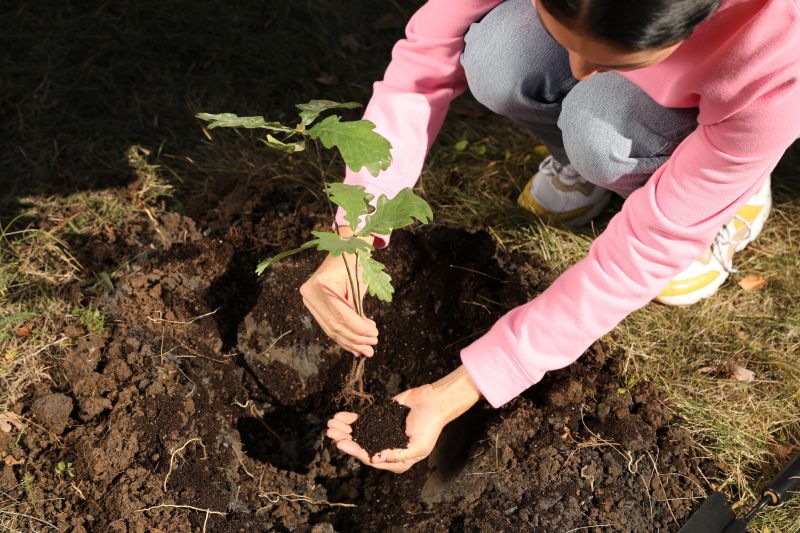
Tree planting - adding privacy and shade to residential properties.
Native tree planting - selecting species suited to local climate and soil.
Ornamental trees - enhancing landscape appeal with decorative varieties.
Fruit tree planting - providing fresh produce directly on the property.
Environmental restoration - restoring natural habitats with strategic tree placement.
Stormwater management - using trees to help reduce runoff and erosion.

Privacy Trees Planting Questions
What are Privacy Trees? Privacy trees are strategically planted for screening and creating natural boundaries on residential or commercial properties.
Which types of trees are suitable for privacy purposes? Fast-growing, dense trees like bamboo, arborvitae, and certain evergreen species are commonly used for privacy.
How do privacy trees benefit a property? They provide visual separation, reduce noise, and enhance outdoor privacy for homeowners and property owners.
What should be considered before planting privacy trees? Factors include space availability, soil conditions, and the desired level of screening for the property.
Request Privacy Trees Planting in Honolulu, HI
Use the quote form on this page to share the basics of your project and request more information for the type of work you need.